
Less complexity
Prioritize the few actions most worth repeating instead of collecting endless hacks.
Kaja Travnik is a nutrition counselor, personal trainer, wellness educator and founder of Flourish Longer. Her work brings together nutrition, movement, recovery, sleep, stress, women’s wellness and healthy-aging education in a way designed to be useful outside the classroom.
Her guiding idea is simple: smarter, not harder. Health should not become another full-time job.

Kaja’s path into wellness grew from her own experience with celiac disease, burnout and a serious period of poor health. That experience became a turning point: instead of chasing ever more complicated rules, she began studying how nutrition, movement, recovery, sleep and everyday routines work together.
Her source biography also reflects an unusually broad professional background: a master’s degree in law, international work, and life and work experience across five countries. That mix of high-performance professional life and wellness education shapes a practical style built for people who are busy, ambitious and already overloaded with advice.
Today her work focuses on translating complex wellness topics into concrete actions people can use in everyday life—without presenting personal experience as medical proof or promising a single routine will work for everyone.

Kaja’s materials consistently speak to people—especially busy women—who care about their health, already know a lot, and are frustrated by conflicting information, perfectionism and routines that are impossible to maintain.
Prioritize the few actions most worth repeating instead of collecting endless hacks.
Food, movement and recovery should fit the person, their schedule and their goals.
An 80/20 approach makes room for real life while keeping the important habits moving forward.
Nutrition, movement, recovery, teaching and everyday life are part of the same conversation.
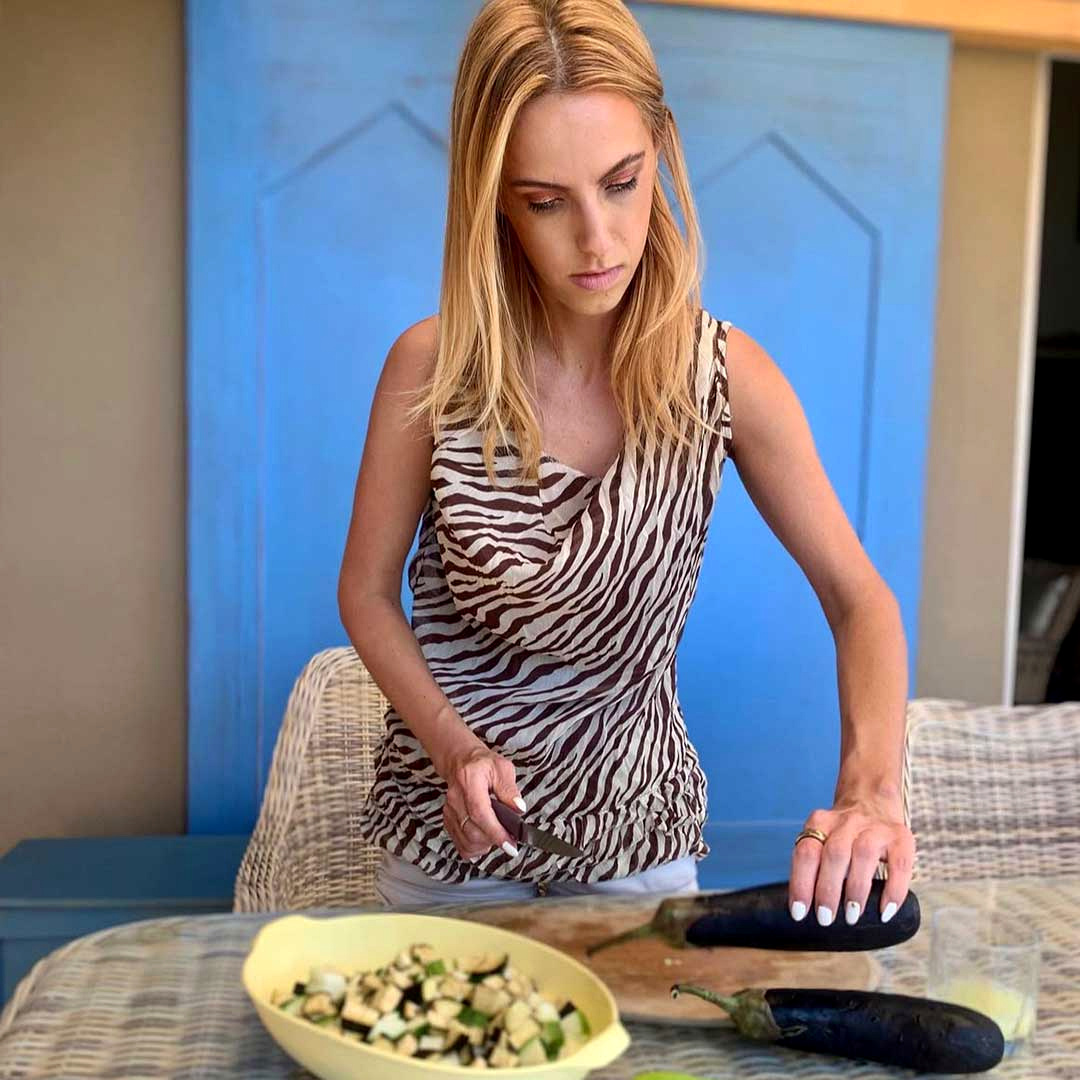
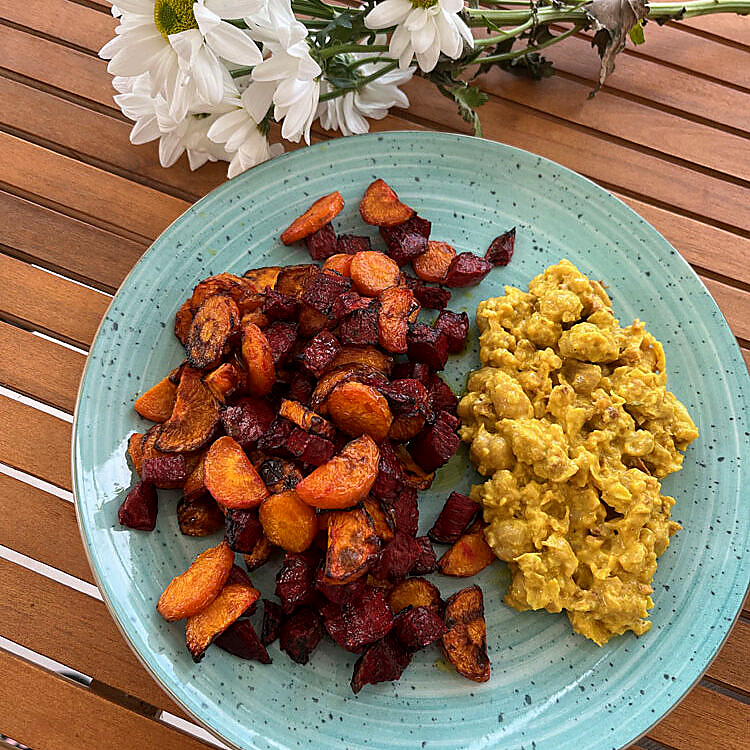

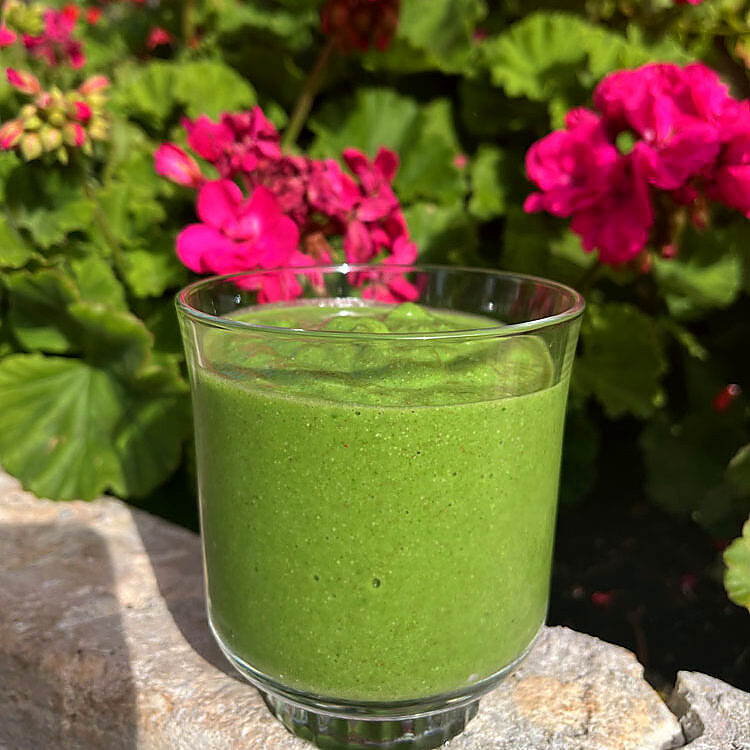
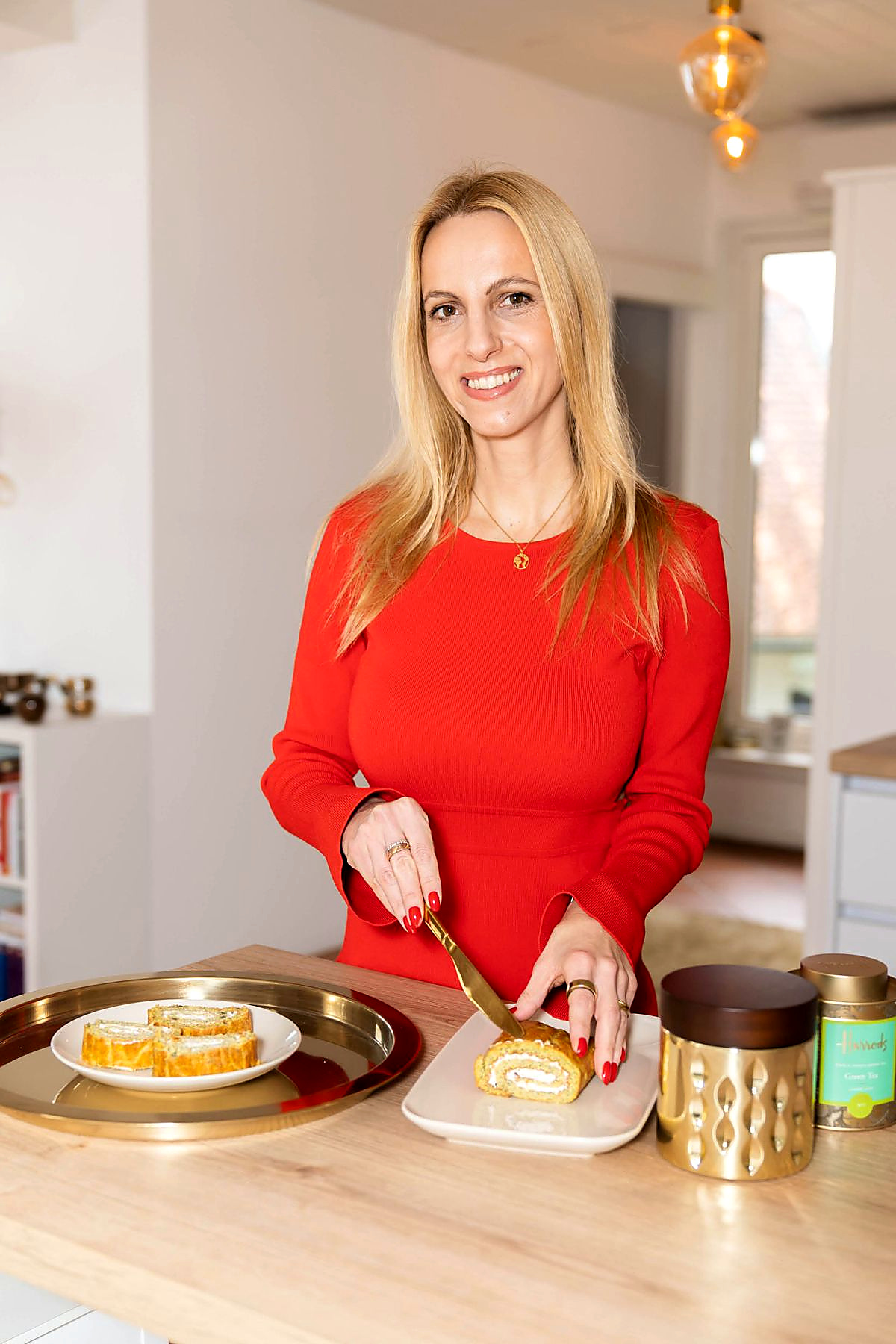
A practical philosophy for building repeatable habits around nutrition, movement, recovery and healthy aging.
Choose smarter, more sustainable actions instead of doing more for the sake of doing more.
Build habits that fit real schedules, responsibilities and changing seasons of life.
Use food, movement, sleep and recovery as connected parts of the same wellbeing system.
Adapt the plan to the person rather than forcing every person into the same plan.
Use science as a guide while keeping health practical, human and realistic.
Aim for consistency, not perfection—the 80/20 approach is often more sustainable than an all-or-nothing reset.